
Packing a Lunch: A Variety of Ideas for Every Taste
A well-packed lunch is more than just a meal; it’s a little break from the daily grind, a moment to recharge. But often, we lack the inspiration to add variety to our daily meals. Many people end up reaching for the same, sometimes unhealthy options for their lunchbox. It doesn’t have to be that way.
With a few clever ideas, any packed lunch can be transformed into a culinary highlight that boosts energy and lifts your spirits. Here’s how to put together fresh, healthy, and delicious meals on the go using simple ingredients. A packed lunch can be filled with a variety of foods that are both nutritious and tasty, including sandwiches, salads, fruit, vegetable sticks, yogurt, or granola bars, to ensure a balanced meal on the go.
What makes a good base for a filling packed lunch?
Whole-grain products such as bread, wraps, or pasta salads are excellent bases for a filling packed lunch, as they provide complex carbohydrates that deliver long-lasting energy and keep you feeling full for hours, helping to prevent cravings.
A classic open-faced sandwich, ideally made with whole-grain bread, provides a hearty foundation. You can combine various toppings here, such as cream cheese with cucumber slices and cress, or a slice of lean roast meat with mustard and a lettuce leaf. The fiber in whole-grain bread also promotes healthy digestion. Wraps are another good option, as they can be filled in a variety of ways. Wheat or corn tortillas, spread with hummus or avocado cream, provide a good base for vegetables, chicken strips, or tofu. These are easy to roll up and take with you without the filling sliding out.
Pasta salads or quinoa salads are also an excellent choice. They’re easy to prepare in advance and are often even tastier the next day. Using durum wheat pasta or quinoa is beneficial here, as they retain their texture better than softer pasta varieties.
Hearty ingredients for when you’re really hungry
Protein is essential for staying full for a long time and supporting muscle function. Hard-boiled eggs, chicken breast strips, or meatballs are excellent additions. Legumes such as lentils or chickpeas—for example, in a salad—also provide plenty of plant-based protein. Another example is small cheese cubes or a piece of hard cheese. These provide not only protein but also calcium, which is important for bones and teeth. Varieties like Gouda or Emmental are particularly popular here and easy to carry.
Light Snacks for Between Meals
For a quick snack between meals, rice cakes, crispbread, or small whole-grain cookies are ideal. These are easy to digest and provide quick energy without weighing you down. A container of low-fat yogurt or quark is also a good option, especially if you have a way to keep it cool.
How can you ensure freshness and vitamins in a packed lunch?
You can ensure freshness and vitamins in the lunchbox by strategically including seasonal fruits and vegetables—packed raw or lightly blanched—as well as by adding nuts and seeds, which provide valuable micronutrients and healthy fats, thereby enhancing the nutritional quality of the meal.
Fruits and vegetables are the ultimate sources of vitamins and should be a staple in every lunchbox. An apple, a banana, or a handful of berries are quick to pack and provide important nutrients. Vegetable sticks made from cucumber, carrot, or bell pepper—perhaps with a small dip—are also a crisp addition.
The antioxidants in fresh fruits and vegetables help strengthen the immune system. Berries in particular—such as blueberries or raspberries—are rich in these valuable phytochemicals. They’re also easy to carry and require no elaborate preparation.
Crisp Vegetables as a Side Dish
Cherry tomatoes, radishes, or pieces of kohlrabi aren’t just tasty—they’re also rich in fiber. Fiber promotes a feeling of fullness and supports healthy gut flora. A small container of homemade herb-flavored quark dip makes the vegetables even more appealing.
Fruit for a sweet tooth
Instead of chocolate bars or candy, opt for the natural sweetness of fruit. Grapes, mandarins, or a pear aren’t just healthier—they’re also refreshing. Dried fruits like dates or apricots offer a concentrated source of energy but should be enjoyed in moderation.
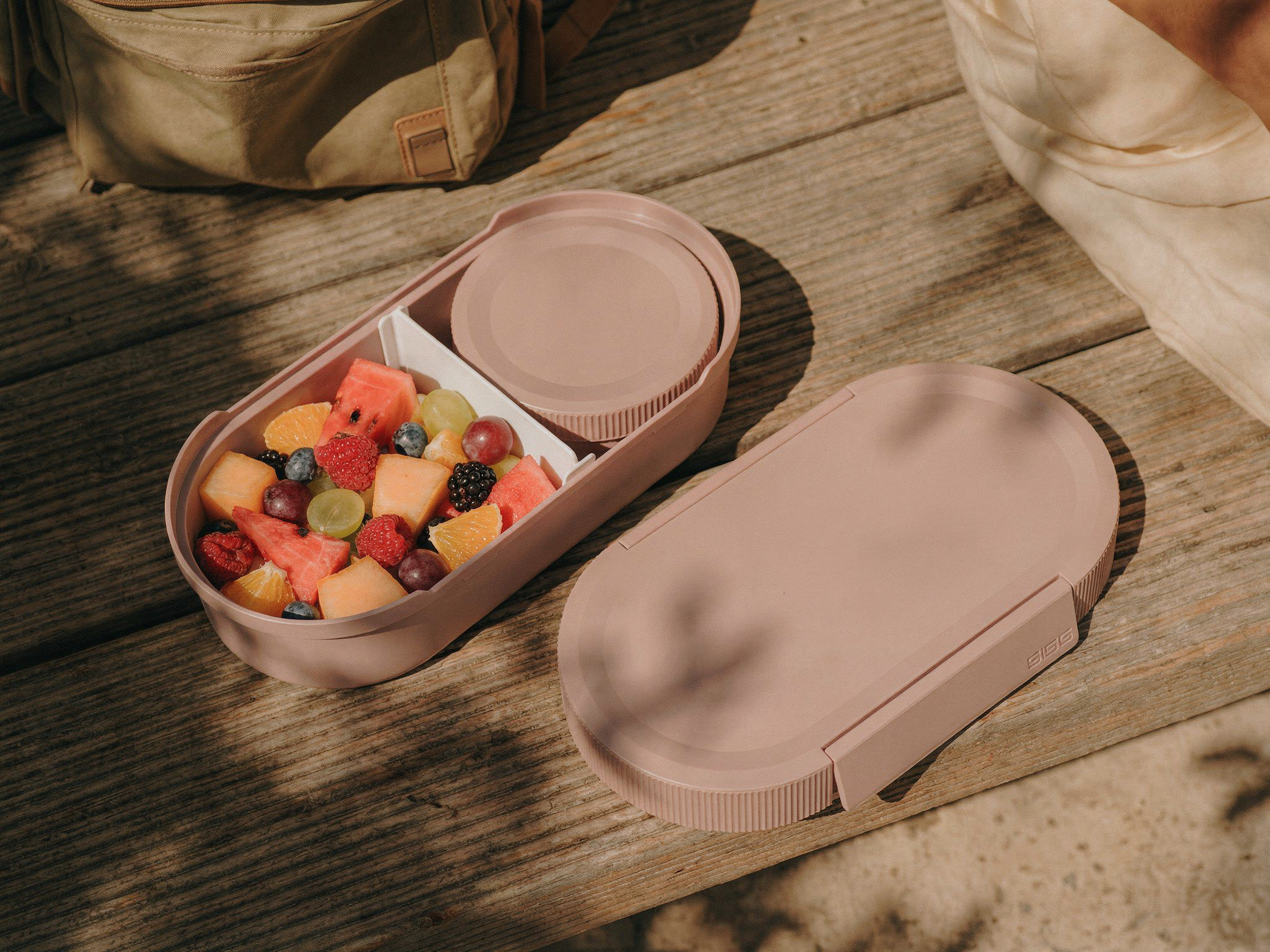
A small fruit salad made with a variety of fruits is also a good idea. This allows you to combine different flavors and textures. A splash of lime juice keeps the salad fresh and adds a pleasant tartness.
What drinks and snacks are good additions to a packed lunch?
Good additions to a packed lunch include unsweetened beverages like water or tea, which ensure adequate hydration, as well as nutrient-rich snacks like nuts, seeds, or homemade granola bars, which provide extra energy and important nutrients without containing unnecessary sugar or artificial additives.
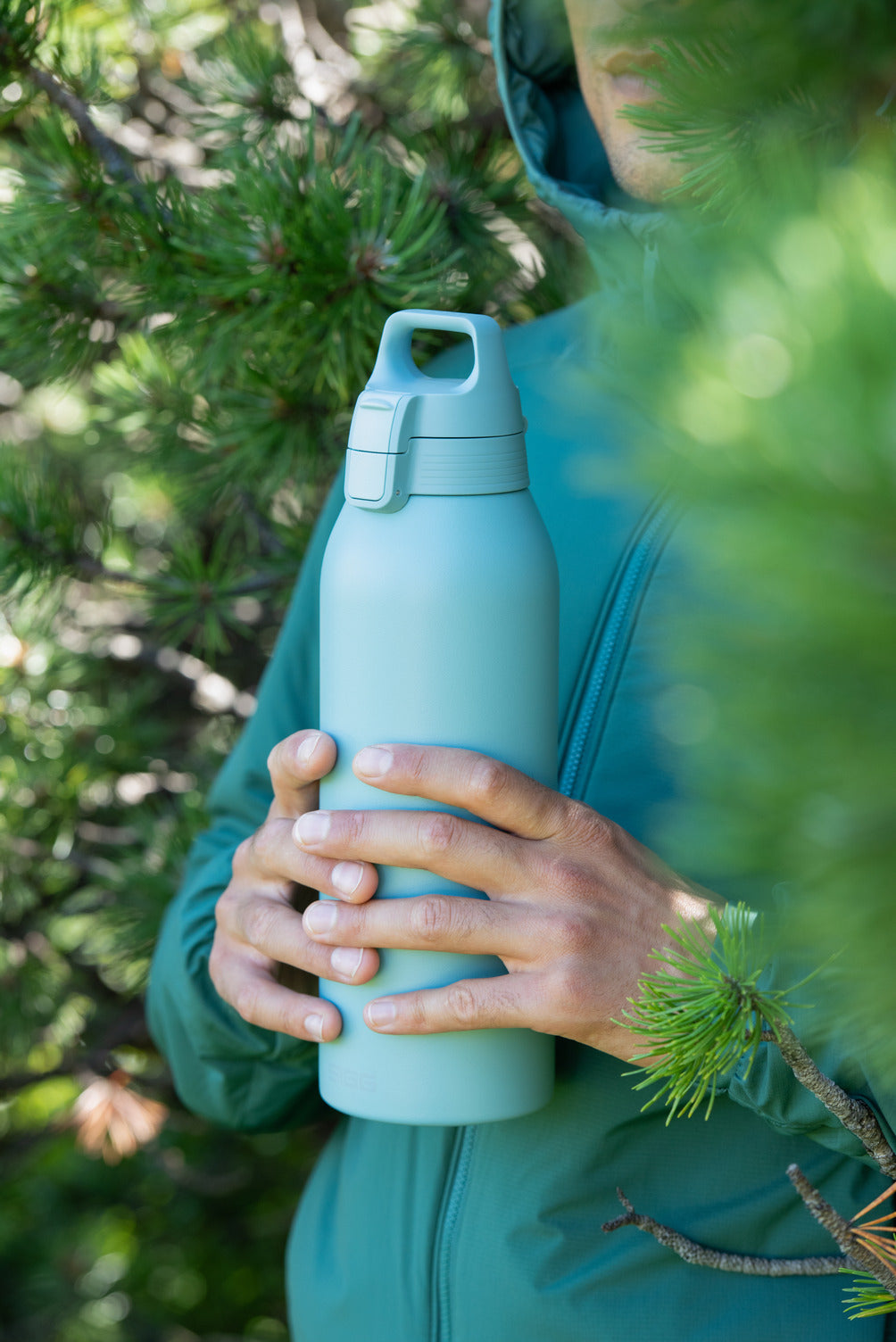
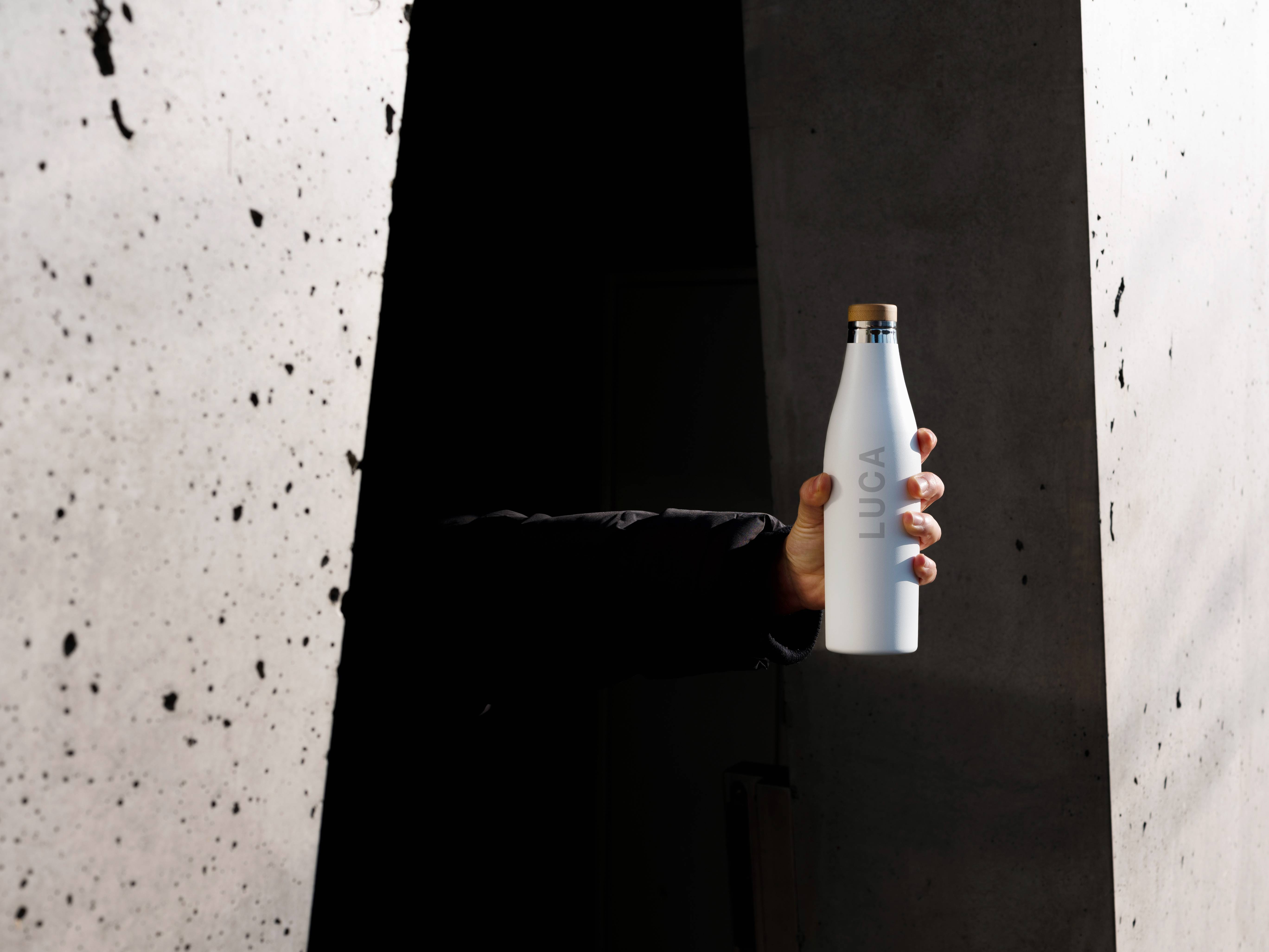
Choosing the right beverages is crucial for your well-being. Water is always the best option for keeping your body hydrated. A reusable water bottle also reduces waste and is eco-friendly. Unsweetened tea, whether cold or hot, offers a flavorful alternative. Green tea, for example, provides antioxidants and can help improve concentration. Infused water with cucumber or lemon slices is also a refreshing choice.
Healthy Snacks for an Energy Boost
Nuts and seeds are little powerhouses packed with healthy fats, protein, and fiber. A small mix of almonds, walnuts, and pumpkin seeds can satisfy hunger and improve focus. They’re ideal for a quick energy boost. Homemade granola bars or energy balls made from rolled oats, dates, and nuts are an excellent alternative to store-bought products. They can be customized to your liking and contain no artificial additives. Making them is often easier than you might think.
The Myth of “Healthy” Fruit Juice
It’s often assumed that fruit juices are a healthy addition to your diet. However, many store-bought juices contain high levels of fructose, which can be unhealthy in large quantities. A glass of apple juice can easily contain as much sugar as a soda. It’s better to eat whole fruits, as they also provide important dietary fiber that’s often missing from juice. If you do drink juice, opt for freshly squeezed juice and dilute it heavily with water to reduce the sugar content.
What kind of packaging keeps a packed lunch fresh and safe?
Effective packaging for a packed lunch includes airtight containers made of glass or stainless steel, which keep food fresh and prevent leaks, as well as insulated containers for hot or cold dishes, supplemented by reusable bags for snacks to preserve food quality and protect the environment.
The right packaging is crucial to ensure that the packed lunch not only stays fresh but can also be transported safely. Airtight containers made of glass or stainless steel are the top choice here. They prevent liquids from leaking and reliably contain odors. Glass containers have the advantage of being flavor-neutral and easy to clean.
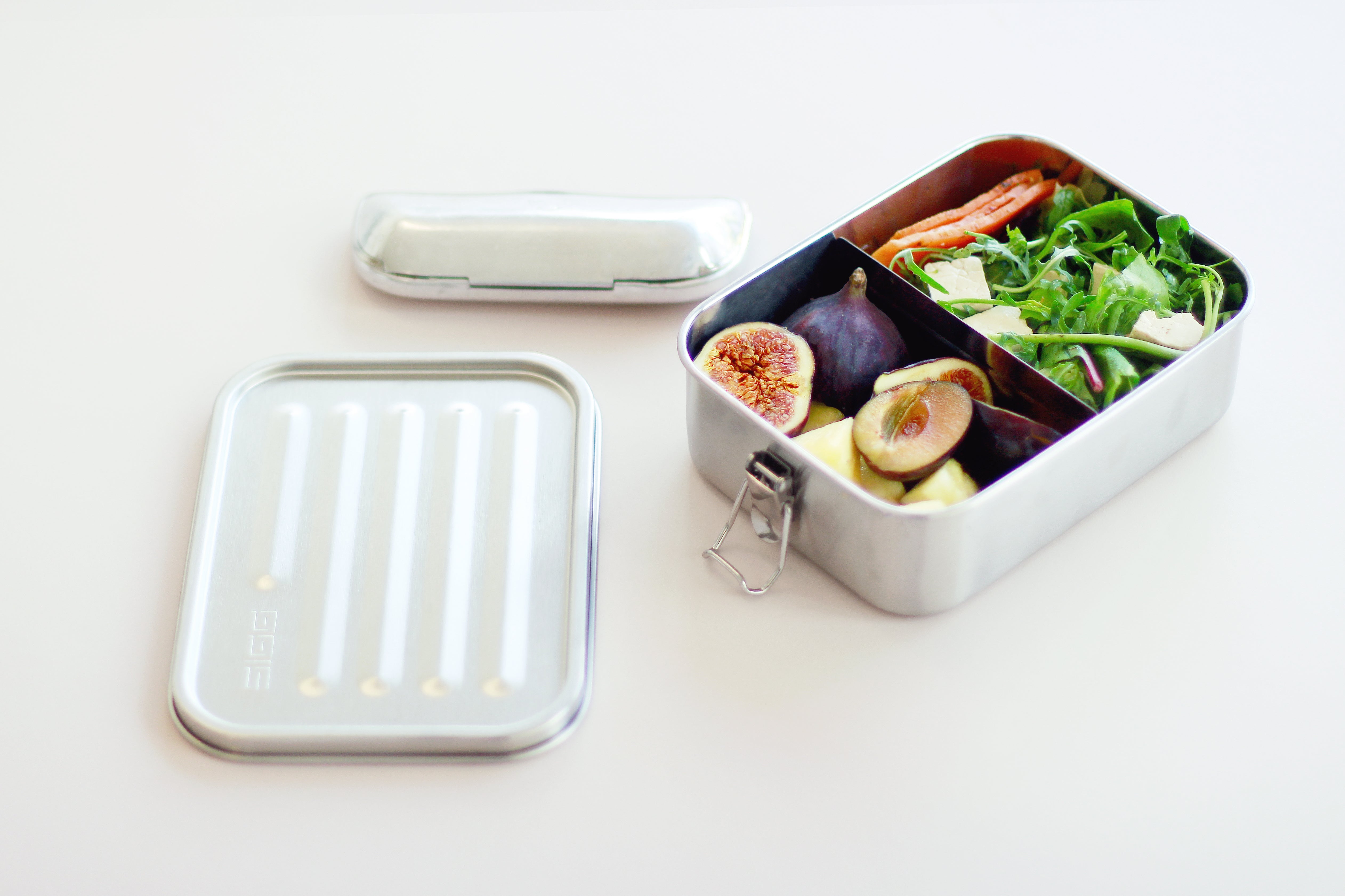
Stainless steel containers are particularly sturdy and durable, making them ideal for daily use. Both materials are also more sustainable than plastic.
Good to Know
Some lunchboxes have multiple compartments that allow you to separate different foods, preventing flavors from mixing.
Insulated Containers for Temperature Stability
Insulated containers are essential for hot foods like soups or stews. They keep the temperature constant for several hours, so you can enjoy a warm meal even on the go. Look for models with double-walled vacuum insulation—these are particularly efficient. Insulated containers are also useful for cold foods like yogurt or fruit salad, especially on warm days. A cooling pack that you freeze the night before can help keep your food fresh even longer.
Eco-Friendly Alternatives
Reusable wax wraps or silicone bags are a good alternative to plastic wrap or aluminum foil. They’re flexible, easy to clean, and help reduce plastic waste. They’re especially ideal for sandwiches or small snacks.
How can you plan a packed lunch that’s both efficient and varied?
You can plan a packed lunch efficiently and with variety by creating a weekly meal plan, creatively repurposing leftovers from the night before, and combining a variety of ingredients—such as whole grains, proteins, and fresh fruits and vegetables—to ensure both nutritional density and a variety of flavors.
A well-thought-out plan makes daily preparation much easier. It’s worth creating a weekly menu plan for your packed lunches. This helps avoid decision fatigue in the morning and ensures variety. Leftovers from dinner can be an excellent base for the next day’s packed lunch. Leftover pasta salad, a serving of quinoa with vegetables, or grilled chicken can often be repurposed. This saves time and reduces food waste.
Cost Overview
Packed at home:
approx. 3–7 € per meal
Ready-made products:
approx. 6–11 € per meal
As of 2026, figures subject to change
Preparation the night before
Many components can be prepared the night before. Vegetables can be chopped, salads can be mixed, and dressings can be bottled. That way, all you have to do in the morning is put everything together. This saves valuable time and significantly reduces morning stress. A practical example: Cook a large batch of quinoa or rice on Sunday. This base can then be combined with different ingredients—such as vegetables, tofu, or feta—on different days to create a new dish. This provides variety with minimal effort.
Use creative recipe ideas
There are countless recipes designed specifically for packed lunches. From mini quiches to vegetable patties to overnight oats—the possibilities are endless. A quick search online or in cookbooks can provide new inspiration.
In short: Good planning and using leftovers make preparing packed lunches efficient and varied.
Final Thoughts: The Perfect Packed Lunch
A perfectly packed lunch is an investment in your own health and well-being. It offers the opportunity to make mindful dietary choices and tackle the day with energy. The variety of options helps you avoid boredom and constantly create new taste experiences. The combination of careful planning, selecting fresh, nutrient-rich ingredients, and proper packaging makes all the difference. This way, packing a lunch box doesn’t become a chore, but rather a joyful ritual that enriches your daily life. It’s a small act of self-care that pays off in the long run.
Frequently Asked Questions
What’s the best bread for a packed lunch?
The best bread for a packed lunch is whole-grain or rye bread, as it contains complex carbohydrates and fiber that keep you feeling full for longer and help stabilize blood sugar levels. These types of bread also stay fresh and firm longer, which minimizes the toppings from getting soggy and improves the texture of your lunch.
How do you keep salads fresh in a packed lunch?
To keep salads fresh in a packed lunch, pack the dressing separately and add it just before eating to prevent the leafy greens from getting soggy. In addition, moist ingredients like cucumbers or tomatoes should be stored in a separate compartment to preserve the crispness of the other components.
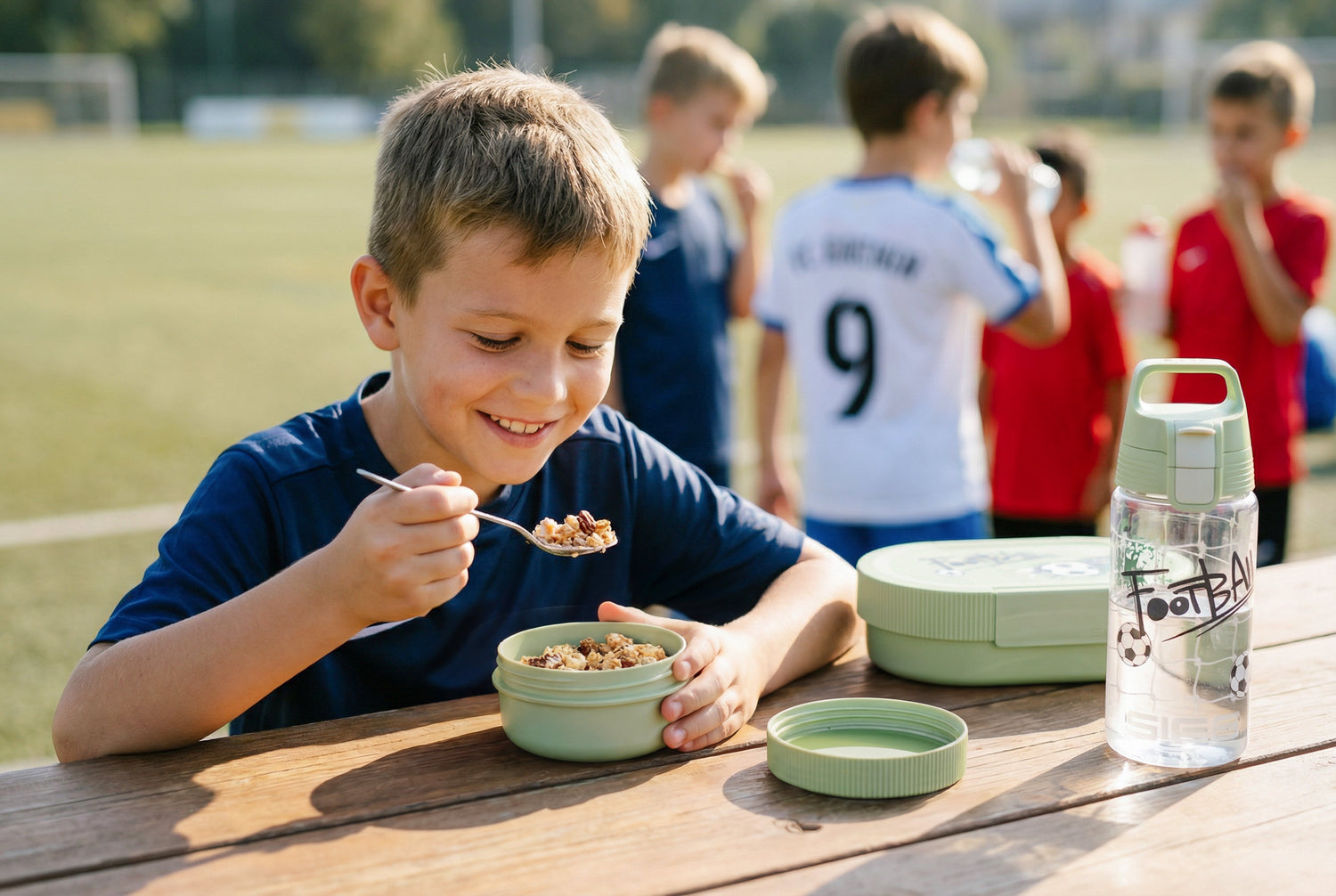
What snacks are good for kids in a lunchbox?
Good snacks for children’s lunchboxes include vegetable sticks like carrots or cucumbers, small pieces of fruit like berries or mandarin oranges, as well as whole-grain crackers or homemade granola bars. These snacks are nutritious, easy to eat, and provide important vitamins and energy for the school day without containing excessive amounts of sugar.
Can hot food be packed in a lunchbox?
Yes, hot meals can be packed in a lunchbox if you use an insulated container or a thermos that keeps the temperature constant for several hours. It’s important to heat the food thoroughly before packing it to ensure optimal heat retention and maintain food safety.
How can you avoid mushy fruit in a lunchbox?
You can avoid mushy fruit in your lunch box by choosing firm varieties such as apples, pears, or tangerines and packing them whole or in larger pieces. Softer fruits, such as berries, should be transported in small, sturdy containers to prevent bruising and damage.